Other than Valentine's Day, just what in the heck is so special about the month of February? There are only 28 days and it's in the middle of winter. Let's take a recap on American history:
Feb. 1

Feb. 1
- 1865 – President Lincoln sings the Thirteenth Amendment, which abolishes slavery and involuntary servitude, except as punishment for crime, to the United States Constitution.
- 1893 – Thomas A. Edison finishes construction of the first motion picture studio, the Black Maria in West Orange, New Jersey.
- 1960 – Four black students stage the first of the Greensboro sit-ins at a lunch counter in Greensboro, North Carolina.
- 2003 – Space Shuttle Columbia on mission STS-107 disintegrates during reentry into the Earth's atmosphere, killing all seven astronauts aboard.
_________________________________________________________________________
Feb. 2

- 1653 – New Amsterdam (later renamed The City of New York) is incorporated.
- 1848 – California Gold Rush: The first ship with Chinese immigrants arrives in San Francisco.
- 1887 – In Punxsutawney, Pennsylvania the first Groundhog Day is observed.
- 1935 – Leonarde Keeler tests the first polygraph machine.
_________________________________________________________________________
Feb. 3

Feb. 3
- 1870 – The Fifteenth Amendment to the United States Constitution is ratified, guaranteeing voting rights to citizens regardless of race.
- 1913 – The Sixteenth Amendment to the United States Constitution is ratified, authorizing the Federal government to impose and collect an income tax.
- 1959 – Deaths of rock and roll musicians Buddy Holly, Ritchie Valens, and J. P. "The Big Bopper" Richardson, in a plane crash near Clear Lake, Iowa.
- 1984 – John Buster and the research team at Harbor-UCLA Medical Center announce history's first embryo transfer, from one woman to another resulting in a live birth.
_________________________________________________________________________
Feb. 4

Feb. 4
- 1789 – George Washington is unanimously elected as the first President of the United States by the U.S. Electoral College.
- 1899 – The Philippine–American War begins with the Battle of Manila.
- 1996 – Major snowstorm paralyzes Midwestern United States, Milwaukee, Wisconsin and ties all-time record low temperature at −26 °F (−32.2 °C).
- 2004 – Facebook, a mainstream online social networking site, is founded by Mark Zuckerberg.
_________________________________________________________________________
Feb. 5
Feb. 5
- 1900 – The United States and the United Kingdom sign a treaty for the Panama Canal.
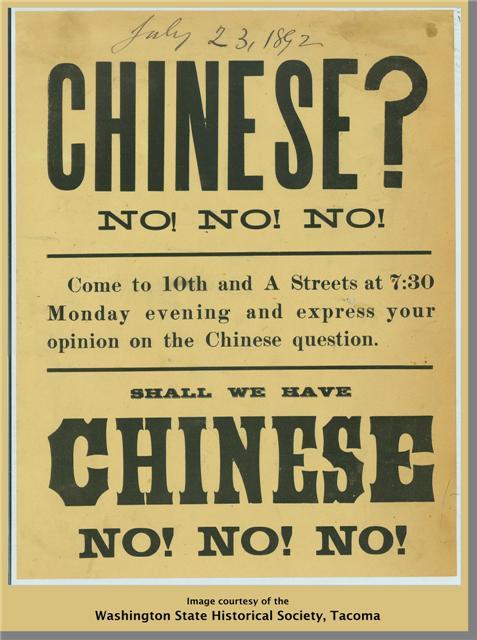
- 1917 – The Congress of the United States passes the Immigration Act over President Woodrow Wilson's veto. Also known as the Asiatic Barred Zone Act, it forbade immigration from nearly all of south and southeast Asia.
- 1958 – A hydrogen bomb known as the Tybee Bomb is lost by the US Air Force off the coast of Savannah, Georgia, never to be recovered.
- 2008 – A major tornado outbreak across the Southern United States kills 57.
_________________________________________________________________________
Feb. 6

Feb. 6
- 1843 – The first minstrel show in the United States, The Virginia Minstrels, opens (Bowery Amphitheatre in New York City).
- 1919 – The five-day Seattle General Strike begins.
- 1951 – The Broker, a Pennsylvania Railroad passenger train derails near Woodbridge Township, New Jersey. The accident kills 85 people and injures over 500 more. The wreck is one of the worst rail disasters in American history.
- 1978 – The Blizzard of 1978, one of the worst Northeasters in New England history, hit the region, with sustained winds of 65 mph and snowfall of 4" an hour.
_________________________________________________________________________
Feb. 7

Feb. 7
- 1812 – The strongest in a series of earthquakes strikes New Madrid, Missouri.
- 1907 – The Mud March is the first large procession organized by the National Union of Women's Suffrage Societies (NUWSS).
- 1935 – The classic board game Monopoly is invented.
- 1964 – The Beatles first arrive in the United States. Their performance on The Ed Sullivan Show two days later would mark the beginning of the British Invasion.
_________________________________________________________________________
Feb. 8
Feb. 8
- 1865 – In the United States, Delaware voters reject the Thirteenth Amendment to the U.S. Constitution, and vote to continue the practice of slavery. (Delaware finally ratifies the amendment on February 12, 1901.)
- 1885 – The first government-approved Japanese immigrants arrived in Hawaii.
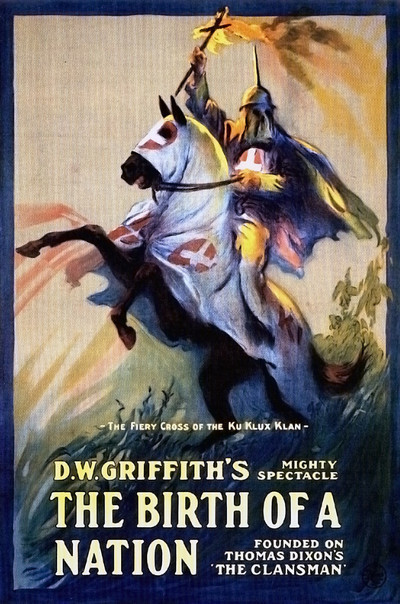
- 1915 – D.W. Griffith's controversial film The Birth of a Nation premieres in Los Angeles.
- 1968 – American civil rights movement: The Orangeburg massacre: An attack on black students from South Carolina State University who are protesting racial segregation at the town's only bowling alley, leaves three or four dead in Orangeburg, South Carolina.
_________________________________________________________________________
Feb. 9

_________________________________________________________________________
Feb. 10
Feb. 9
- 1775 – American Revolutionary War: The British Parliament declares Massachusetts in rebellion.
- 1870 – President Ulysses S. Grant signs a joint resolution of Congress establishing the U.S. Weather Bureau.
- 1895 – William G. Morgan creates a game called Mintonette, which soon comes to be referred to as volleyball.
- 1965 – Vietnam War: The first United States troops with a combat mission, a Marine Corps Hawk air defense missile battalion, are sent to South Vietnam.
_________________________________________________________________________
Feb. 10
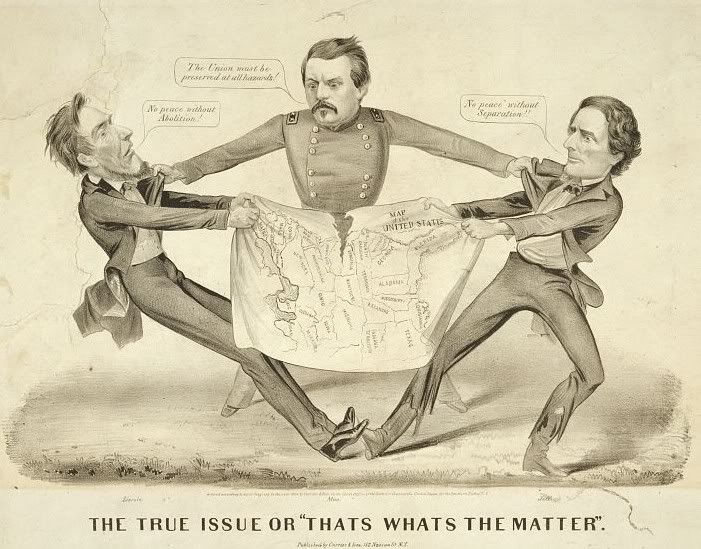
- 1861 – Jefferson Davis is notified by telegraph that he has been chosen as provisional President of the Confederate States of America.
- 1967 – The 25th Amendment to the United States Constitution is ratified. This establishes procedures for filling a vacancy in the office of the Vice President. The office of Vice President had been vacant sixteen times due to the death or resignation of either the President or Vice President. For example, there was no Vice President for nearly four years after the death of Franklin D. Roosevelt.
_________________________________________________________________________
Feb. 11

Feb. 11
- 1790 – The Religious Society of Friends, also known as Quakers, petitions U.S. Congress for abolition of slavery.
- 1916 – Emma Goldman is arrested for lecturing on birth control.
- 1937 – A sit-down strike ends when General Motors recognizes the United Auto Workers.
- 1953 – U.S. President Dwight D. Eisenhower refuses a clemency appeal for Julius and Ethel Rosenberg.
_________________________________________________________________________
Jan. 12
Jan. 12
- 1825 – The Creek cede the last of their lands in Georgia to the United States government by the Treaty of Indian Springs, and migrate west.
- 1963 – Construction begins on the Gateway Arch in St. Louis.
- 1999 – United States President Bill Clinton is acquitted by the United States Senate in his impeachment trial.
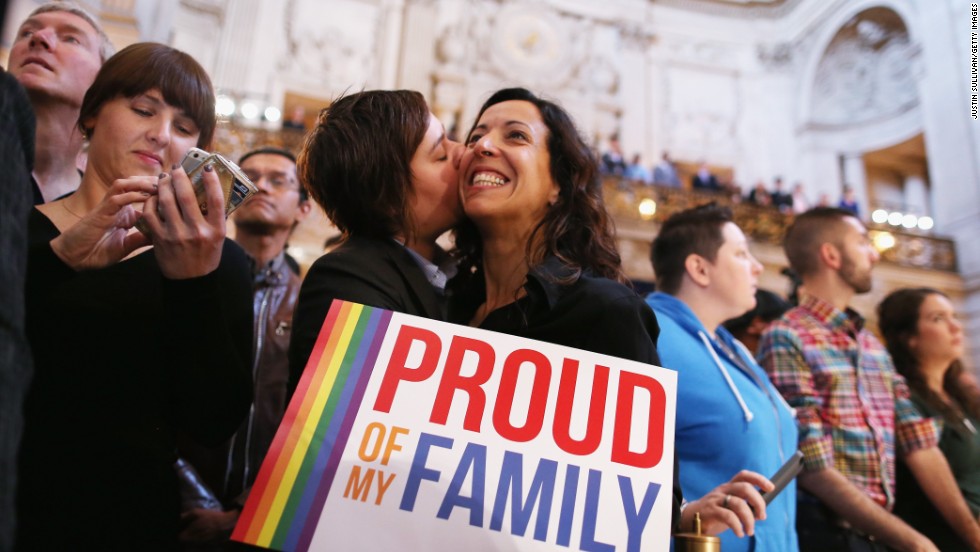
- 2004 – The city of San Francisco, California begins issuing marriage licenses to same-sex couples in response to a directive from Mayor Gavin Newsom.
_________________________________________________________________________
Feb. 13

Feb. 13
- 1914 – Copyright: In New York City the American Society of Composers, Authors and Publishers is established to protect the copyrighted musical compositions of its members.
- 1920 – The Negro National League is formed.
- 1971 – Vietnam War: Backed by American air and artillery support, South Vietnamese troops invade Laos.
- 2011 – For the first time in more than 100 years the Umatilla, an American Indian tribe, are able to hunt and harvest a bison just outside Yellowstone National Park, restoring a centuries-old tradition guaranteed by a treaty signed in 1855.
_________________________________________________________________________
Feb. 14

Feb. 14
- 1849 – In New York City, James Knox Polk becomes the first serving President of the United States to have his photograph taken.
- 1899 – Voting machines are approved by the U.S. Congress for use in federal elections.
- 2005 – YouTube is launched by a group of college students, eventually becoming the largest video sharing website in the world and a main source for viral videos.
- 2008 – Northern Illinois University shooting: a gunman opened fire in a lecture hall of the DeKalb County, Illinois university resulting in 6 fatalities (including gunman) and 21 injuries.
____________________________________________________________________
Feb. 15 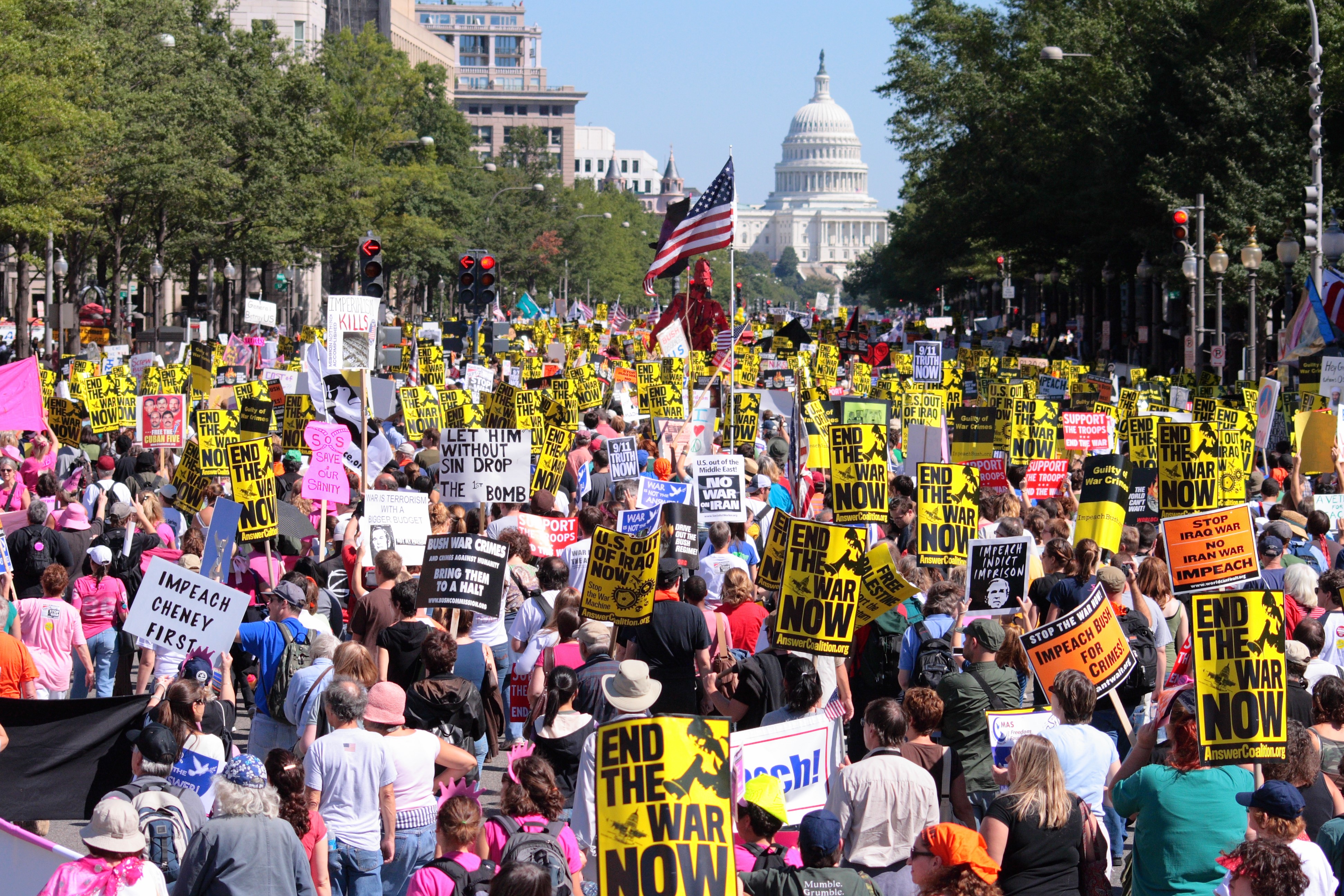
- 1764 – The city of St. Louis, Missouri is established.
- 1879 – Women's rights: American President Rutherford B. Hayes signs a bill allowing female attorneys to argue cases before the Supreme Court of the United States.
- 2003 – Protests against the Iraq war take place in over 600 cities worldwide. It is estimated that between 8 million to 30 million people participate, making this the largest peace demonstration in history.
____________________________________________________________________
Feb. 16
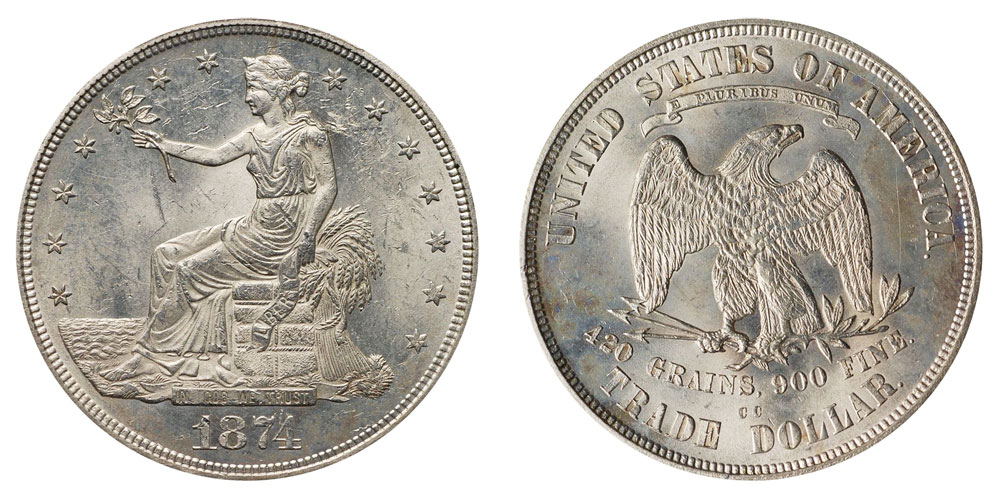
- 1874 – Silver Dollar becomes legal US tender.
- 1961 – Explorer program: Explorer 9 (S-56a) is launched.
- 2006 – The last Mobile Army Surgical Hospital (MASH) is decommissioned by the United States Army.
_________________________________________________________________________
Feb. 17

Feb. 17
- 1801 – An electoral tie between Thomas Jefferson and Aaron Burr is resolved when Jefferson is elected President of the United States and Burr Vice President by the United States House of Representatives.
- 1864 – American Civil War: The H. L. Hunley becomes the first submarine to engage and sink a warship, the USS Housatonic.
- 1933 – The Blaine Act ends Prohibition in the United States.
- 1974 – Robert K. Preston, a disgruntled U.S. Army private, buzzes the White House in a stolen helicopter.
_________________________________________________________________________
Feb. 18

Feb. 18
- 1885 – The Adventures of Huckleberry Finn by Mark Twain is published in the United States.
- 1970 – The Chicago Seven are found not guilty of conspiring to incite riots at the 1968 Democratic National Convention.
- 1972 – The California Supreme Court in the case of People v. Anderson, (6 Cal.3d 628) invalidates the state's death penalty and commutes the sentences of all death row inmates to life imprisonment.
_________________________________________________________________________
Feb. 19

Feb. 19
- 1807 – Former Vice President of the United States Aaron Burr is arrested for treason in Wakefield, Alabama and confined to Fort Stoddert. Burr had tried to secure money and to conceal his true designs, which was to help Mexico overthrow Spanish power in the Southwest. He intended to found a dynasty in what would have become former Mexican territory. This was a misdemeanor, based on the Neutrality Act of 1794. Although the subsequent trial resulted in acquittal, Burr's western schemes left him with large debts and few influential friends.
- 1847 – The first group of rescuers reaches the Donner Party.
- 1953 – Georgia approves the first literature censorship board in the United States.
- 2001 – The Oklahoma City bombing museum is dedicated at the Oklahoma City National Memorial.
_________________________________________________________________________
Feb. 20
Feb. 20
- 1792 – The Postal Service Act, establishing the United States Post Office Department, is signed by United States President George Washington.
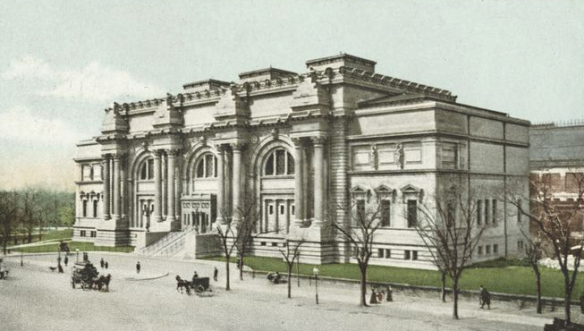
- 1872 – In New York City the Metropolitan Museum of Art opens.
- 1943 – American movie studio executives agree to allow the Office of War Information to censor movies.
- 1987 – Unabomber: In Salt Lake City, a bomb explodes in a computer store.
_________________________________________________________________________
Feb. 21

Feb. 21
- 1828 – Initial issue of the Cherokee Phoenix is the first periodical to use the Cherokee syllabary invented by Sequoyah.
- 1878 – The first telephone book is issued in New Haven, Connecticut.
- 1925 – The New Yorker publishes its first issue.
- 1986 – The Legend of Zelda, the first game of The Legend of Zelda series, was released in Japan on the Famicom Disk System.
_________________________________________________________________________
Feb. 22

Feb. 22
- 1847 – Mexican–American War: The Battle of Buena Vista – 5,000 American troops defeat 15,000 Mexicans.
- 1856 – The Republican Party opens its first national meeting in Pittsburgh.
- 1974 – Samuel Byck tries and fails to assassinate U.S. President Richard Nixon.
- 1980 – Miracle on Ice: In Lake Placid, New York, the United States hockey team defeats the Soviet Union hockey team 4–3.
_________________________________________________________________________
Feb. 23
Feb. 23
- 1861 – President-elect Abraham Lincoln arrives secretly in Washington, D.C., after the thwarting of an alleged assassination plot in Baltimore, Maryland.
- 1883 – Alabama becomes the first U.S. state to enact an anti-trust law; a law that promotes or seeks to maintain market competition by regulating anti-competitive conduct by companies. Competition law is implemented through public and private enforcement.
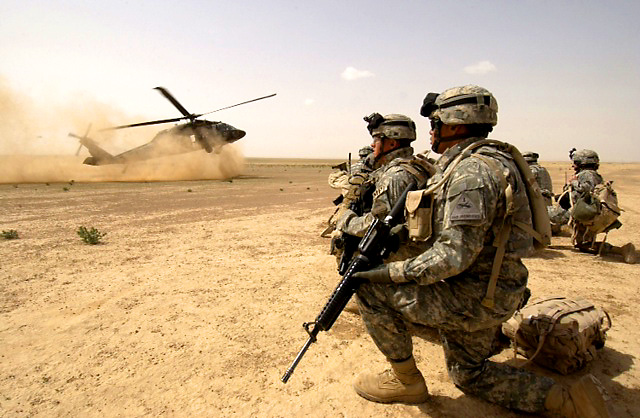
- 1991 – Gulf War: Ground troops cross the Saudi Arabian border and enter Iraq, thus beginning the ground phase of the war.
_________________________________________________________________________
Feb. 24

Feb. 24
- 1831 – The Treaty of Dancing Rabbit Creek, the first removal treaty in accordance with the Indian Removal Act, is proclaimed. The Choctaws in Mississippi cede land east of the river in exchange for payment and land in the West.
- 1868 – Andrew Johnson becomes the first President of the United States to be impeached by the United States House of Representatives. He is later acquitted in the Senate.
- 1983 – A special commission of the U.S. Congress releases a report that condemns the practice of Japanese internment during World War II.
- 1984 – Tyrone Mitchell perpetrates the 49th Street Elementary School shooting in Los Angeles, killing two children and injuring 12 more.
_________________________________________________________________________
Feb. 25
Feb. 25
- 1928 – Charles Jenkins Laboratories of Washington, D.C. becomes the first holder of a television license from the Federal Radio Commission.
- 1933 – The USS Ranger is launched. It is the first US Navy ship to be built solely as an aircraft carrier.
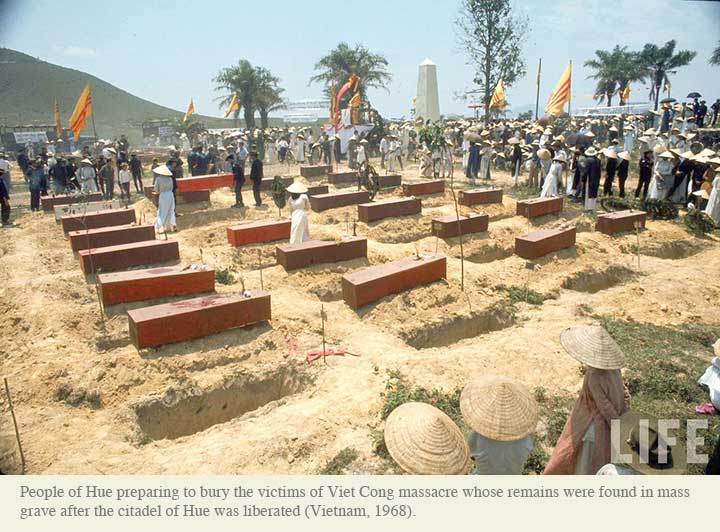
- 1968 – Vietnam War: 135 unarmed citizens of Hà My village in South Vietnam's Quảng Nam Province are killed and buried en masse by South Korean troops in what would come to be known as the Hà My massacre.
_________________________________________________________________________
Feb. 26

Feb. 26
- 1919 – President Woodrow Wilson signs an act of the U.S. Congress establishing most of the Grand Canyon as a United States National Park - the Grand Canyon National Park.
- 1929 – President Calvin Coolidge signs an Executive Order establishing the 96,000 acre Grand Teton National Park in Wyoming.
- 1972 – The Buffalo Creek Flood caused by a burst dam kills 125 in West Virginia.
_________________________________________________________________________
Feb. 27

Feb. 27
- 1782 – American Revolutionary War: The House of Commons of Great Britain votes against further war in America.
- 1860 – Abraham Lincoln makes a speech at Cooper Union in the city of New York that is largely responsible for his election to the Presidency.
- 1973 – The American Indian Movement (AIM) occupies Wounded Knee, South Dakota.
- 1991 – Gulf War: U.S. President George H. W. Bush announces that "Kuwait is liberated".
_________________________________________________________________________
Feb. 28

Feb. 28
- 1844 – A gun on USS Princeton explodes while the boat is on a Potomac River cruise, killing eight people, including two United States Cabinet members.
- 1954 – The first color television sets using the NTSC standard are offered for sale to the general public.
- 1959 – Discoverer 1, an American spy satellite that is the first object intended to achieve a polar orbit, is launched. It failed to achieve orbit.
- 1972 – Sino-American relations: The United States and People's Republic of China sign the Shanghai Communiqué


